
March 9, 2026
What Happens If Your Wedding Day Runs Behind? | Timeline Tips
What Happens If Your Wedding Day Runs Behind? (And How We Plan for It).
One thing many couples don’t realize during planning is this: wedding days naturally take longer than expected.
It’s not something most people worry about at first. In fact, it usually isn’t a worry at all… until suddenly it is. And by then, it can feel overwhelming.
That’s not because couples do anything wrong — it’s because wedding days are filled with people, movement, emotions, and moments that matter. Things take time. More time than you expect. And that’s exactly why thoughtful planning matters so much.
My job isn’t just to photograph your wedding day — it’s to help you experience it fully, without feeling rushed or stressed when the timeline shifts (because it almost always does).
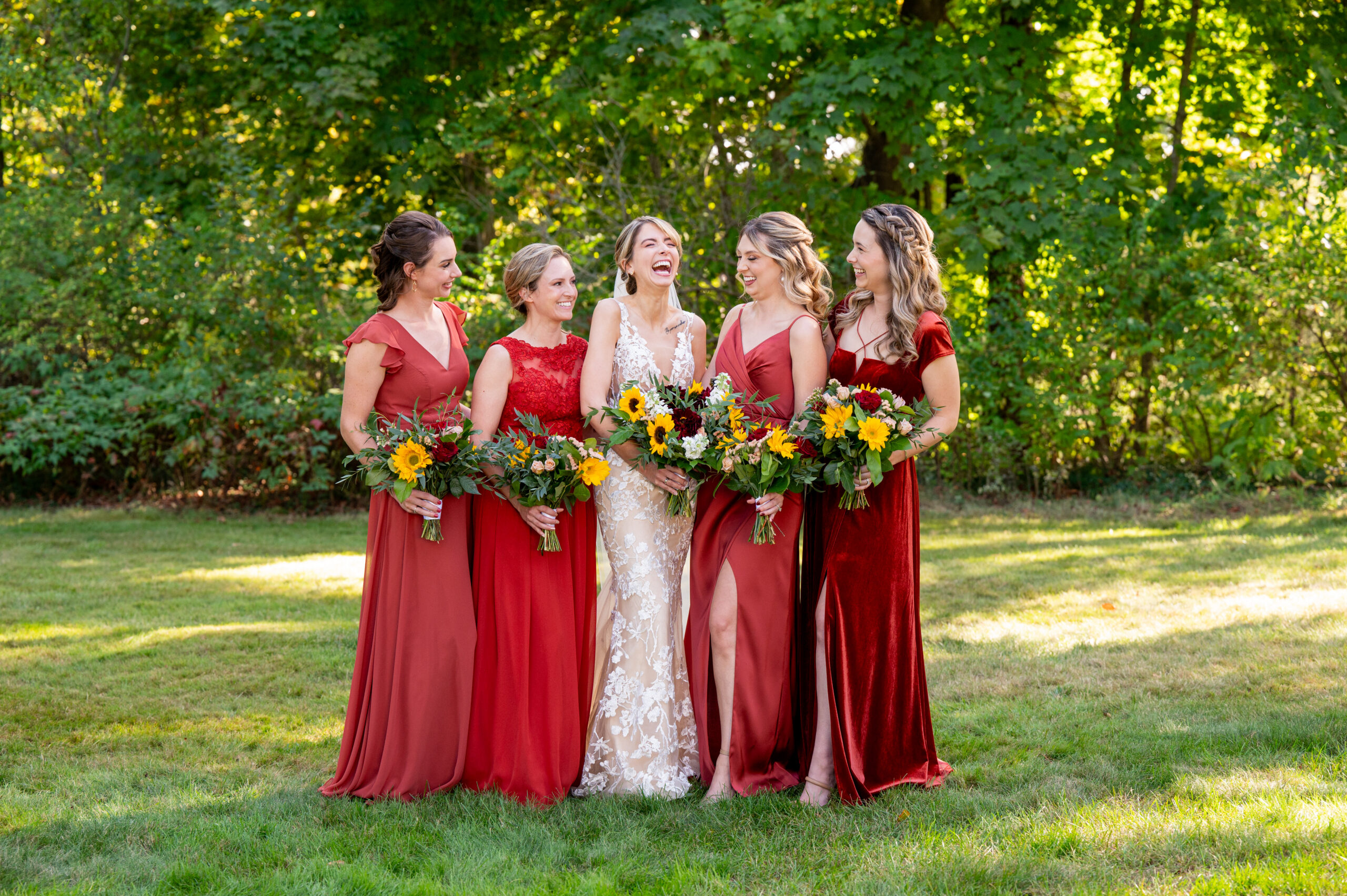
Why Wedding Days Run Behind (And Why It’s Totally Normal)
Wedding days don’t run behind because something went wrong. They run behind because real life happens.
Some very common reasons include:
-
Hair and makeup taking a little longer than planned
-
Family members wandering off or needing reminders
-
Receiving lines lasting longer than expected
-
Transportation delays or traffic
-
Weather changes (rain, wind, heat, clouds)
-
Emotional moments you shouldn’t rush through like a first look
None of these are problems — they’re part of a real, meaningful wedding day.
(If you’re curious, I dive deeper into two of these time-eaters here:
👉 First Look and 👉 Rainy Wedding Day Planning)
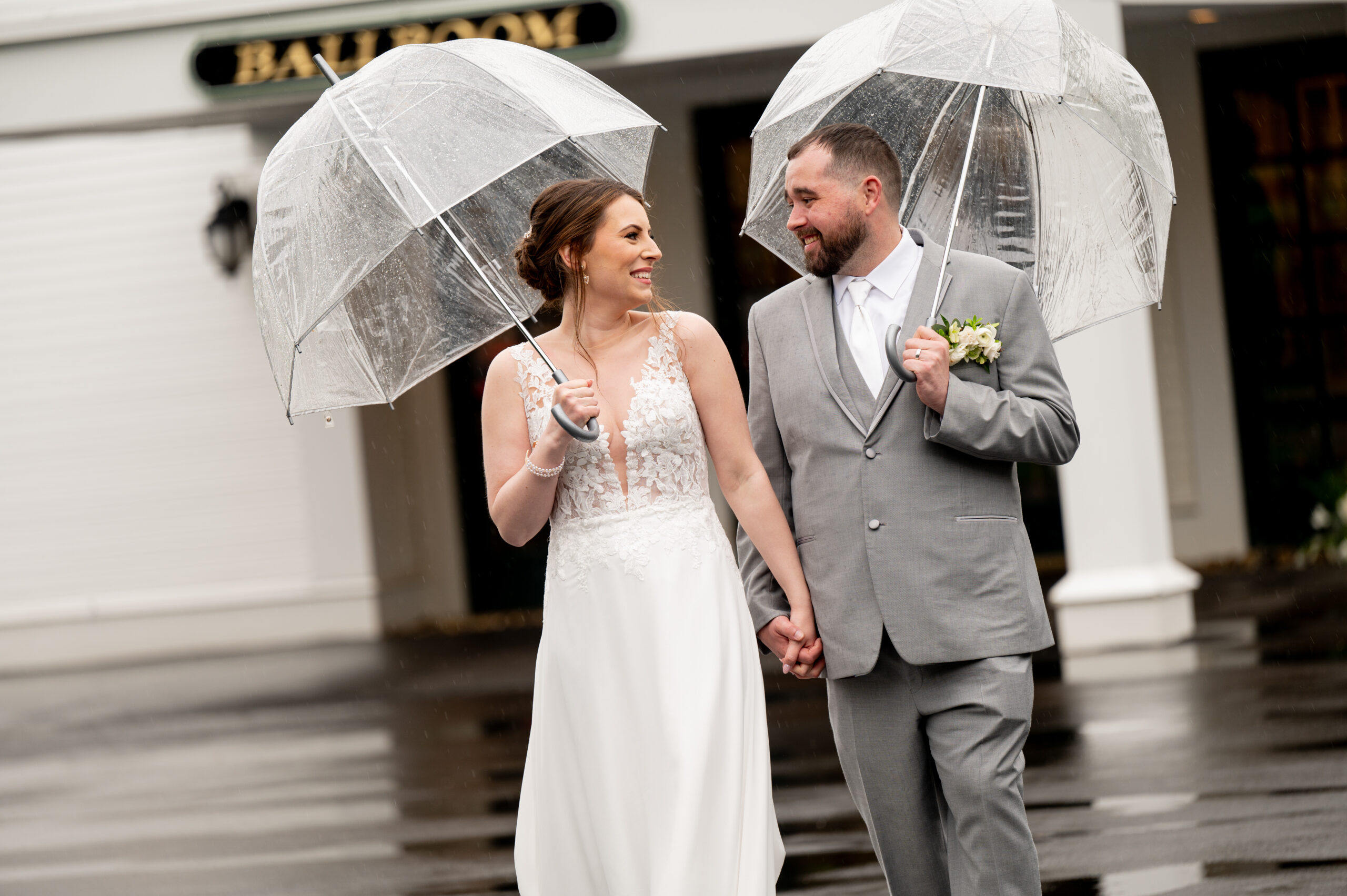
The Real Worry Couples Have (And Why It’s Valid)
Most couples aren’t actually worried about time itself — they’re worried about what happens because of time.
Will we miss photos?
Will we feel rushed all day?
Will things feel chaotic instead of fun?
I usually see this show up in two different ways.
Some couples don’t want to think about the idea that something might not happen exactly when it’s supposed to. And honestly — I get it. Wedding planning already comes with a lot of decisions, and no one wants to hear they may need to start hair and makeup earlier, add extra photo coverage, or adjust expectations.
So instead, they hope everything will run perfectly.
The tricky part is that pushing those possibilities aside doesn’t actually make the day feel easier — it often does the opposite. When things take longer (because they usually do), the timeline starts to feel tight, and that’s when couples begin to feel rushed.
Other couples choose a different approach. They plan with the understanding that weddings are real, emotional, people-filled days — and they trust their photographer and planner to build a timeline that allows for flexibility.
And here’s the beautiful part:
Planning for the “what ifs” actually makes the day feel more relaxed.
When buffer time is built in and expectations are realistic, you can stay present, enjoy the moment, and trust that everything important is being handled. And if everything runs perfectly? Even better — you get to enjoy that extra breathing room.
That’s why a good wedding timeline isn’t about forcing perfection.
It’s about protecting how your day feels.
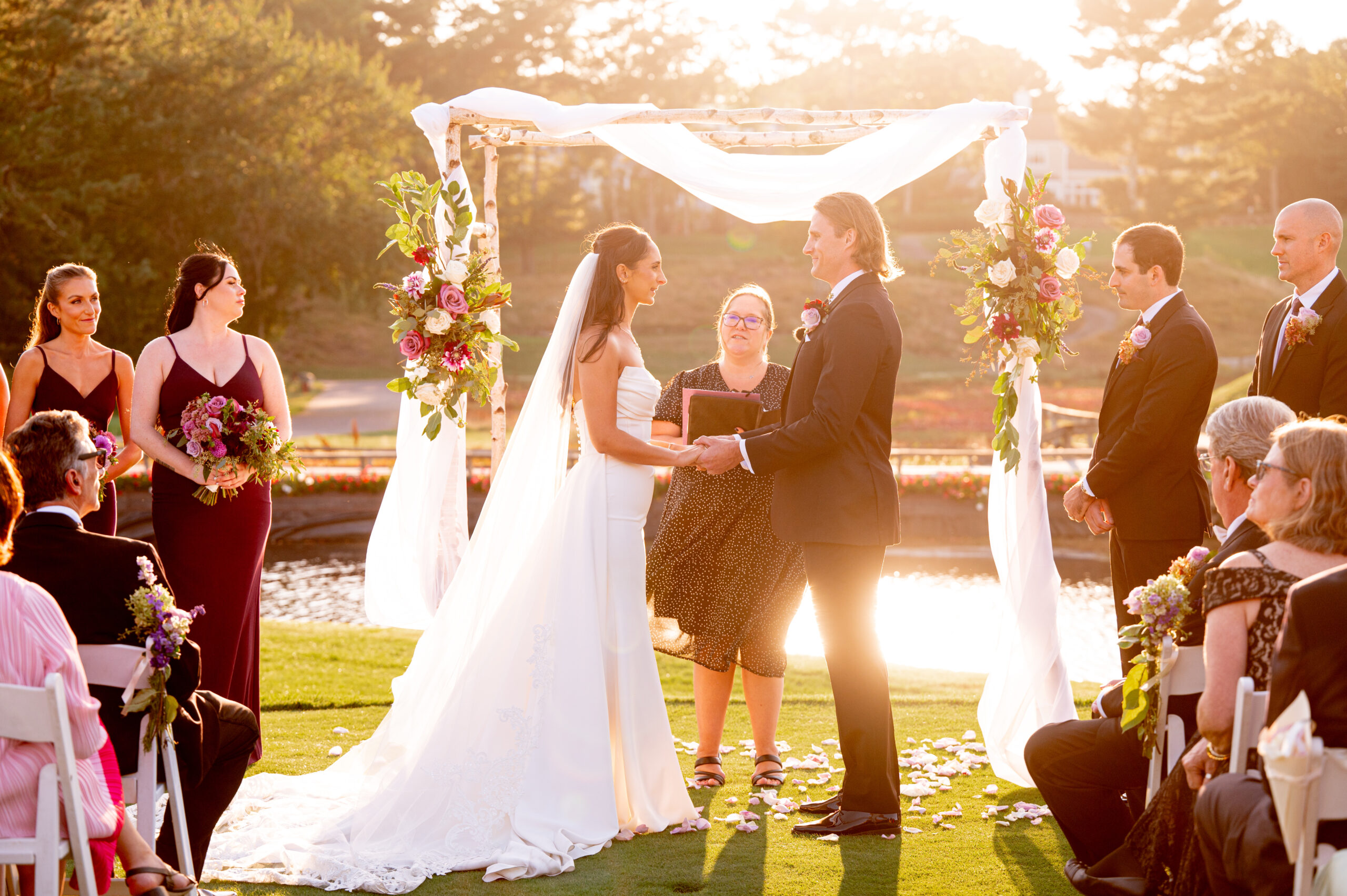
Buffer Time Is Built In (And Sometimes Extra, Too)
I never build wedding timelines down to the minute. Ever.
Every timeline includes intentional buffer time to protect:
-
Your couple portraits
-
Transitions between locations
-
Ceremony flow
-
Sunset photos
And sometimes? We even add extra buffer time for specific people if needed.
(You know the ones 😉)
You should never be waiting on someone else on your wedding day.
If anything, they should be waiting on you.
I always tell my couples this so they can feel calm and relaxed, even if it looks like we’re “a few minutes behind” to others — and I plan accordingly so you never feel that pressure, I can just give you a little wink and you know all is good! but we keep everyone else moving – for those loved ones that need that little extra push.
How We Plan Ahead (So You Can Relax)
Every couple I work with fills out a detailed wedding timeline questionnaire, and then we meet on a Zoom call at least three months before the wedding day.
This gives us time to:
-
Walk through the day step by step
-
Adjust anything that feels tight
-
Talk through priorities and must-have moments
-
Create a timeline that feels calm, not rushed
This is how we set you up for a wedding day where you can be present, relaxed, and actually enjoy the little moments — not worry about, “Wait… did we get a photo with Aunt Sue?”
My second photographer and I have your timeline and photo list with us all day. We’ll worry about Aunt Sue so you don’t have to.
And if you’re reading this and working with another photographer or planner — talk to them! We are here to help you. This is what we do.
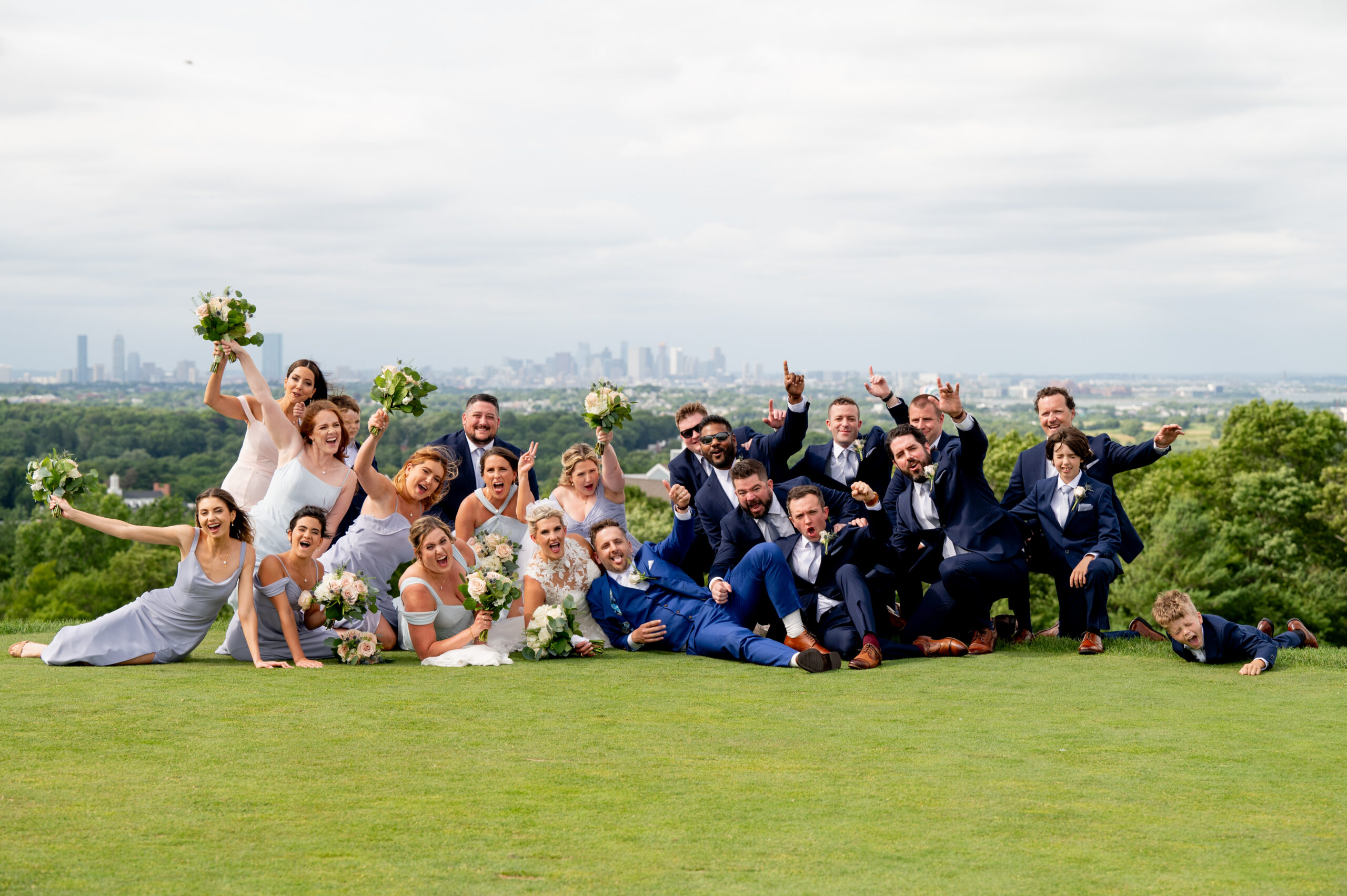
Real-Time Adjustments (With a Plan — Always)
If something runs behind on the wedding day, adjustments happen quietly and confidently.
Most of the time, couples never even realize changes were made — and that’s the goal.
The only time I bring adjustments to my couples is when:
-
There are two or three great options
-
I already have solutions
-
I just need them to choose what feels best to you personally
I never bring a problem without a plan.
If I loop you in, it’s not because something went wrong — it’s because I want you to feel informed, not worried. (My Type-A couples, you know what I mean 😉)
Being a wedding photographer means thinking on your feet, pivoting quickly, and always protecting the experience.
What Gets Prioritized (And What Can Be Flexible)
What matters most is different for every couple — and that’s exactly how it should be.
That said, I always recommend:
-
Keeping immediate family photos during formal time
-
Scheduling extended family or large groupings after core portraits
That might mean:
-
During cocktail hour if you did a first look
-
During the reception if you didn’t
This protects your couple photo time — because those are the images you’ll come back to again and again.
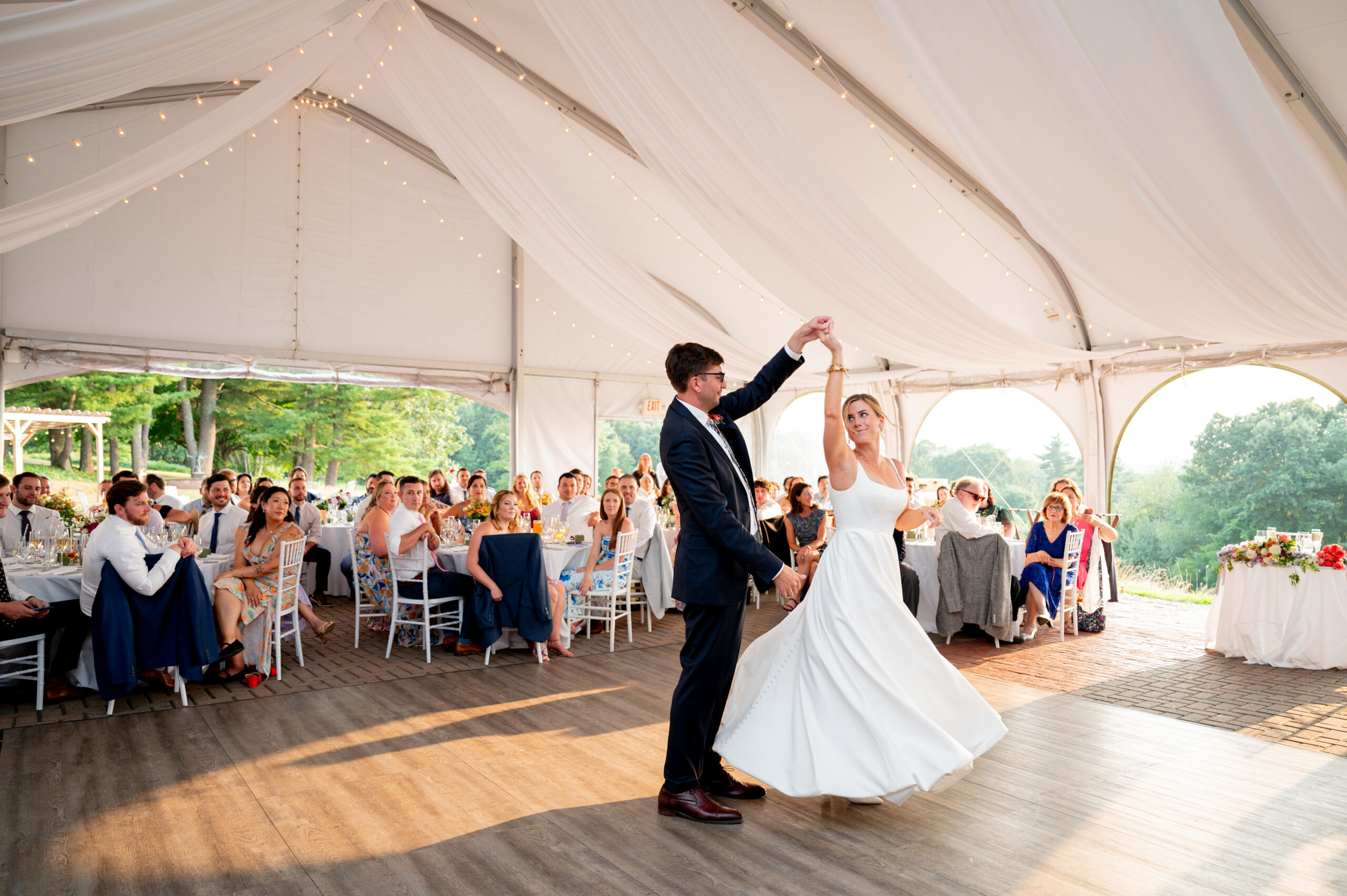
The Best Moments Aren’t Rushed
Some of my favorite images happen when plans loosen just a little.
The laughter.
The quiet breaths together.
The unexpected moments you didn’t plan for.
Those moments don’t disappear when a timeline shifts — they actually shine when the day feels supported and calm.
Trust Is Everything
Trust is everything — and I truly can’t stress this enough.
Trust in your photographer affects:
-
Your wedding day timeline
-
Your photo locations
-
How relaxed and confident you feel
-
How natural and joyful you look in your photos
Picking a photographer you trust — someone who can guide you, advocate for you, and adjust when needed — makes all the difference in how your day feels and how your photos look.
If you’re still in the planning phase, I share more thoughts on this here:
👉 Tips for Choosing Your Wedding Photographer
When trust is there, everything else falls into place.
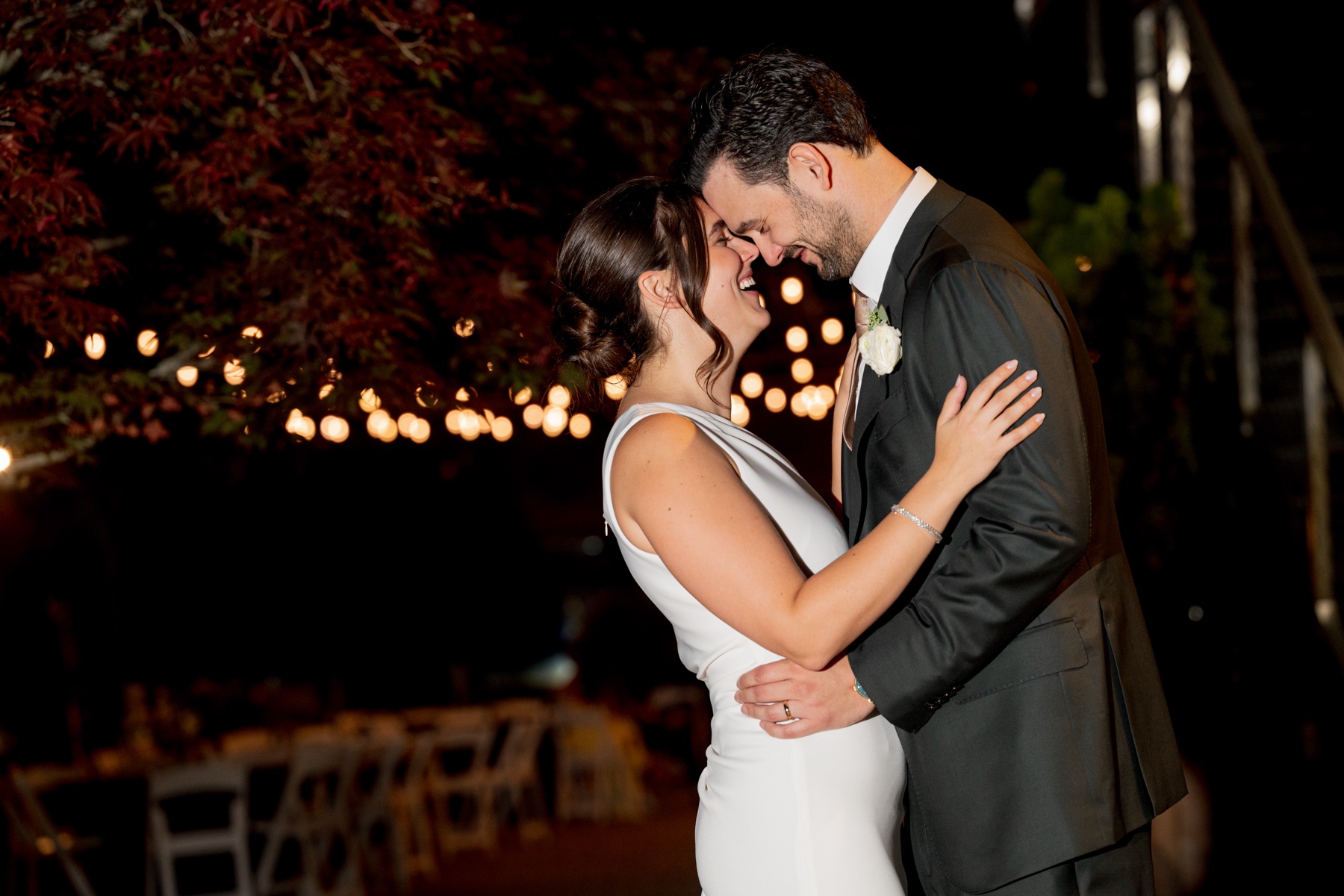
Go With the Flow — You’ll Never Regret It
Wedding days rarely run exactly as planned — and that’s okay.
If you’re willing to go with the flow, trust your team, and stay present, I promise you’ll look back on your wedding day with much fonder eyes.
If you’re one of my couples, you already know I’ll be there guiding you every step of the way — from planning to pivots to delivery and beyond.
And if you’re reading this and planning your own wedding? Reach out to your photographer or planner. Ask questions. Lean on us.
We’re here to help you create a day that feels just as good as it looks.
Frequently Asked Questions About Wedding Day Schedules
What happens if a wedding runs behind schedule?
Most wedding days run behind in small ways, and that’s completely normal. Hair and makeup may take longer, family photos may need extra time, or emotional moments may unfold naturally. With a well-planned timeline that includes buffer time, these delays don’t negatively impact your day or your photos.
Will running behind affect our wedding photos?
Not if your timeline is built thoughtfully. A professional photographer plans for flexibility, prioritizes key moments, and adjusts the flow of the day quietly so your most important photos are protected.
How do photographers plan for wedding day delays?
Photographers plan by building buffer time into the timeline, understanding what moments matter most to the couple, and preparing backup plans for lighting, weather, and logistics. Adjustments are made behind the scenes so couples stay relaxed and present.
Should we add extra time to our wedding photography coverage?
Sometimes, yes. Extra coverage can help reduce stress, especially if your day includes multiple locations, a receiving line, or a larger family photo list. Your photographer can help determine what coverage best fits your timeline.
How can couples avoid feeling rushed on their wedding day?
The best way is to plan realistically, trust your vendor team, and focus on what truly matters. A calm, flexible timeline allows you to enjoy your day without constantly watching the clock.