
February 9, 2026
Why Your Wedding Day Timeline Matters More Than Your Venue
When couples start planning their wedding, one of the very first things they fall in love with is the venue. And honestly? I’m right there with you. As a wedding photographer, I still get giddy walking into a stunning space—the architecture, the light, the possibilities. I love a beautiful venue.
But I’ll be honest… my heart sinks a little when I see a gorgeous venue paired with a wedding day timeline that doesn’t allow it to truly shine.
After photographing hundreds of weddings, I can confidently say this:
The wedding day timeline has a bigger impact on your photos than your venue ever will.
A venue sets the scene—but the timeline is what allows us to slow down, breathe, and actually experience and capture it.
My goal as your photographer is always the same: to capture your unique personalities, the genuine joy you feel on your wedding day, and the deep love you share with one another. That only happens when the day is paced in a way that lets you be present—not rushed from moment to moment.
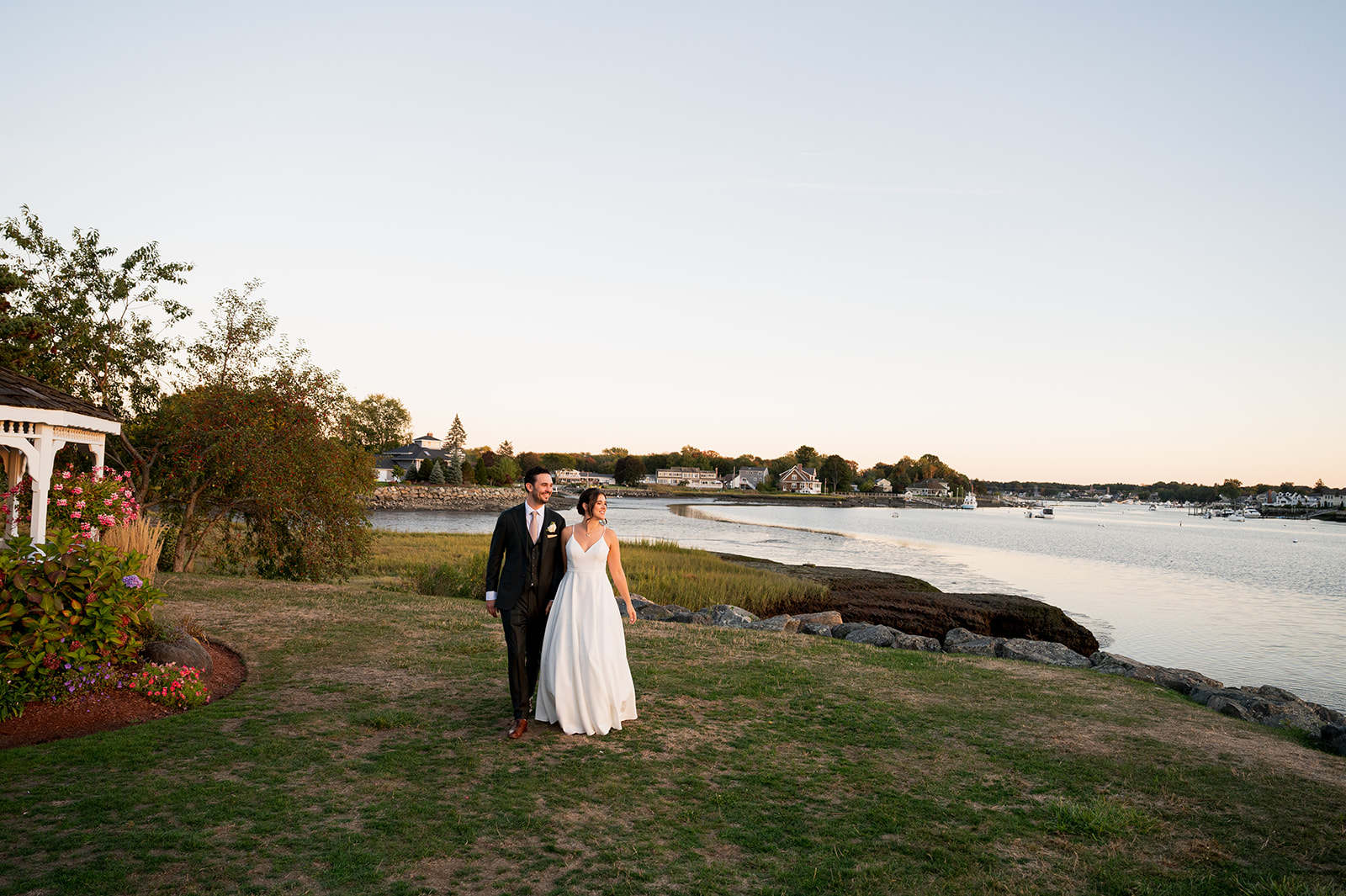
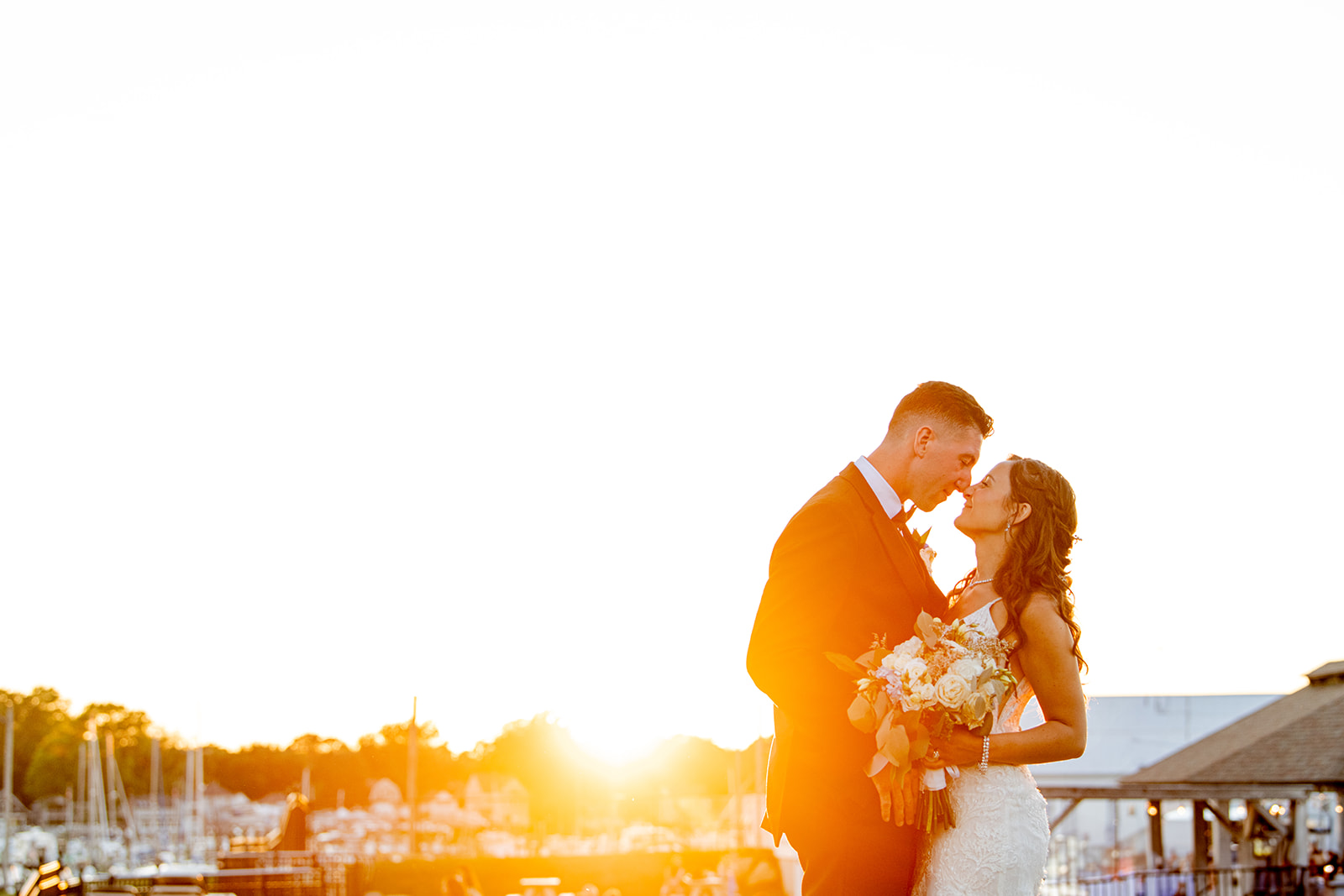
Time Determines Light (And Light Is Everything)
Light is one of the biggest factors in how your wedding photos will look and feel—and your wedding photography timeline controls that more than you might realize.
One of the best things you can do during planning is to ask your venue where the sun will be at the time you’re thinking of having your ceremony. Then—this part is important—talk to your photographer about that placement and what they think. For more about sun placement durning your ceremony check out my blog Why Sun Placement Matters for Your Wedding Ceremony Photos
We’re here to help you.
Your photographer is thinking about:
-
Where the sun will be during your ceremony
-
How light changes throughout the day
-
When sunset happens
-
What your rain plan looks like
And here’s something most couples don’t realize: rainy days often require more time, not less. Working with flash and indoor lighting takes planning, and building that time into your wedding day timeline helps everything feel calm instead of chaotic.
A Rushed Wedding Timeline Always Shows in Photos
One of the most common reasons a wedding day starts to feel rushed is trying to fit more family and wedding party photos into the timeline than time realistically allows.
This is where trusting your photographer really matters.
If your photographer tells you a certain photo list will take a specific amount of time, it’s not a guess—we know because we’ve done it hundreds of times. Even the most well-meaning families take time to gather, transition, and settle into photos.
I often recommend keeping formal family photos to immediate family only during portrait time. Extended family photos can usually be taken later in the day or during the reception—especially if you’re not doing a first look.
I also ask my couples to think about this: Would we actually print this photo or hang it on our wall? Would our parents? If the answer is no, it may not need to be part of the formal list.
Because when family and wedding party photos run long, it’s usually your couple portraits that suffer—and that’s time you never get back.
You don’t want to look at your photos years later and think, “Oh wow… that’s when I was so stressed and just wanted photos to be over.”
>You want to remember laughing together—like when everyone cracked up because Uncle Bob couldn’t figure out which pocket his hands were supposed to go in—and feeling relaxed, happy, and fully present.
A thoughtful wedding day timeline makes all the difference.
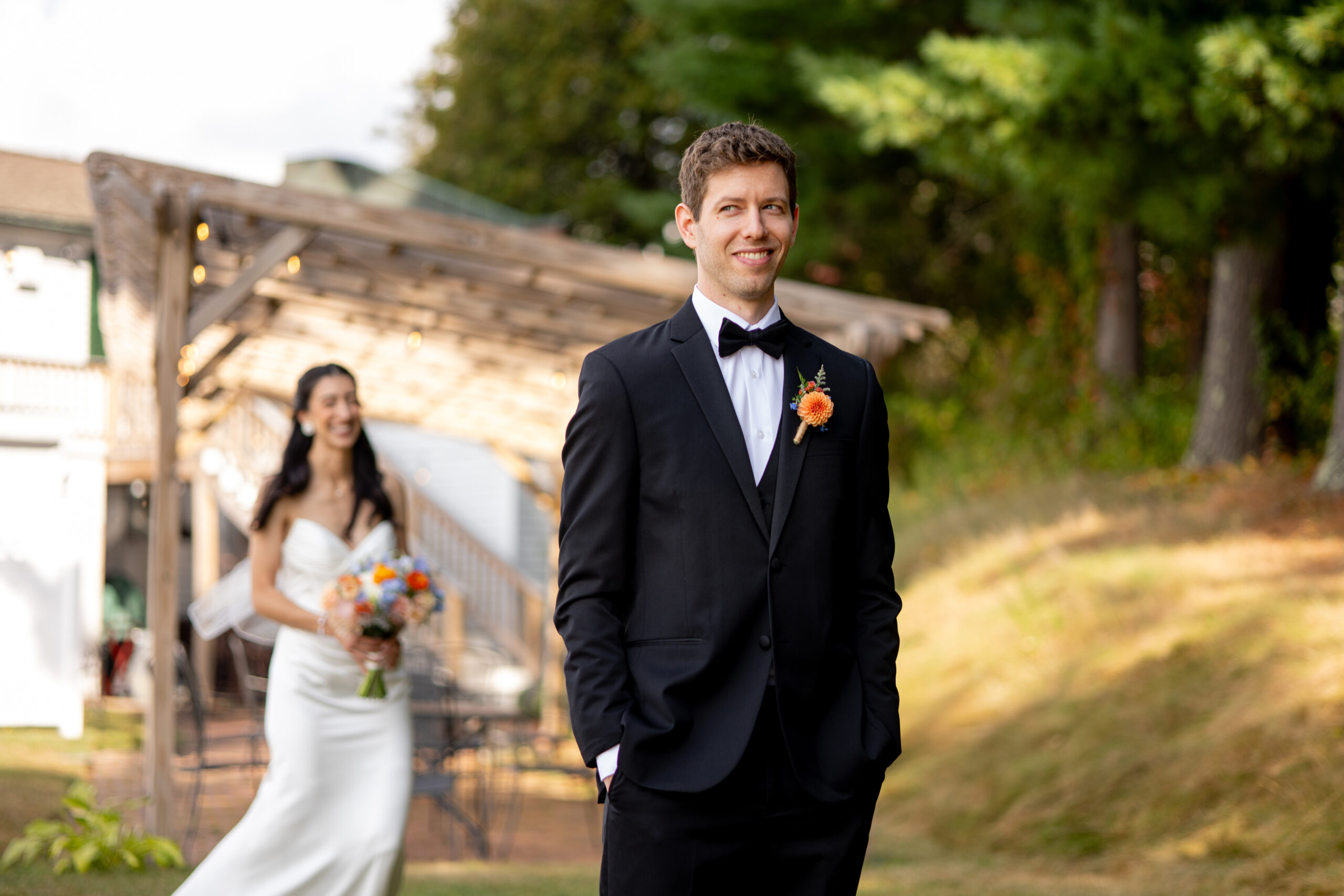
Your Wedding Day Timeline Impacts How Present You Feel
A well-planned timeline gives you breathing room. Time to be together, Time to soak it all in,Time to enjoy moments instead of watching the clock.
When couples feel taken care of, they can be fully present—and that presence shows up beautifully in photos. Not stiff. Not forced. Just real.
Your Venue Doesn’t Control the Flow—Your Timeline Does
Your venue provides the space.
Your wedding day timeline controls the flow.
It determines:
-
How transitions feel
-
Whether travel time is realistic
-
If buffer time exists when something runs late
-
How calm (or stressful) the day feels overall
I’ve photographed weddings at jaw-dropping venues that felt rushed, and weddings at simple locations that felt magical because the timeline supported the day.
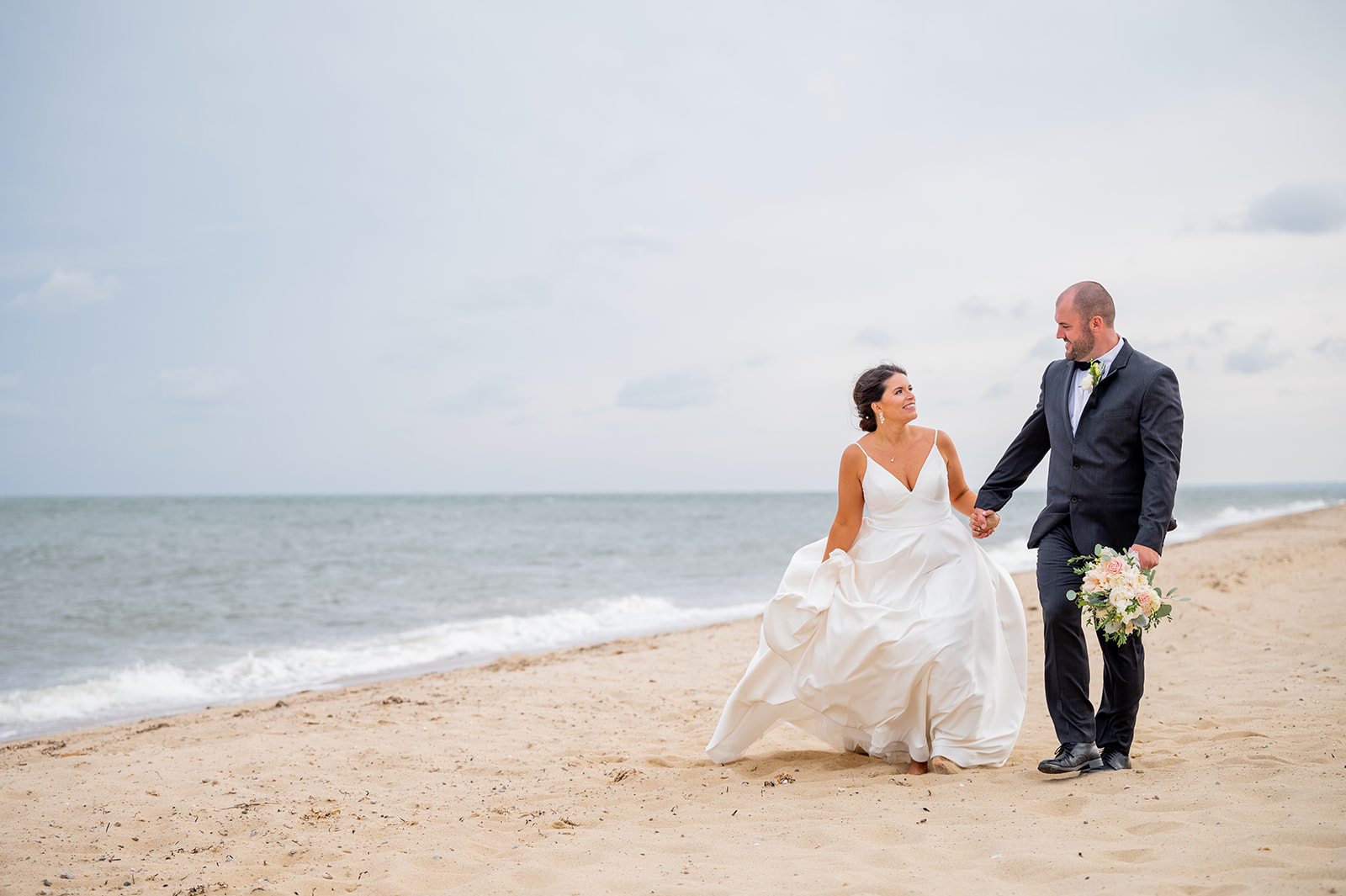
Why Photographers Care So Much About Wedding Timelines
Photographers think in terms of light, energy, emotion, and flow. When I guide a timeline, it’s never about control—it’s about care.
I care deeply about how your wedding day feels while you’re living it—and how it feels years later when you look back at your photos.
A wedding photography timeline isn’t meant to be rigid. It’s flexible. Supportive. It exists so you don’t have to think about what’s next—you can just be in the moment.
It’s Not About Perfection—It’s About Support
Your wedding day doesn’t need to be timed perfectly to the minute. Life happens. Things run late. And that’s okay.
What matters is having a wedding day timeline that supports you, builds in breathing room, and allows your day to unfold with ease.
Your venue sets the stage—but your timeline sets the tone.
And when your timeline works with your priorities, your light, and your energy, your photos will reflect exactly how your day felt: joyful, meaningful, and full of love.
Frequently Asked Questions About Wedding Day Timelines
Does my wedding day timeline really matter for photos?
Yes—your wedding day timeline plays a huge role in how your photos look and feel. A well-paced timeline allows for better lighting, less stress, and more time to capture genuine moments.
Is the venue or the timeline more important for wedding photos?
Both matter, but the timeline often has a bigger impact. Even the most beautiful venue can feel rushed without proper timing, while a thoughtful timeline can make almost any space photograph beautifully.
How much time should we plan for wedding photos?
This depends on your priorities, family dynamics, and whether you’re doing a first look. Your photographer can help guide you on how much time is truly needed to capture everything without feeling rushed.
Should we ask our photographer to help with our wedding day timeline?
Absolutely. Photographers think in terms of light, flow, and pacing. Having your photographer involved in timeline planning helps ensure your day feels calm and your photos turn out beautifully.
What happens if our wedding day runs behind schedule?
Running behind happens more often than couples expect. A good wedding day timeline includes buffer time so small delays don’t impact your photos or overall experience.