
July 7, 2026
What I Wish I Knew Before Photographing My First Wedding
I still remember my very first wedding… and this is what I wish I knew before hand.
Going into it, I felt excited and grateful, but I was not prepared. I didn’t have a clear timeline, a proper photo list, or a plan for how the day would flow.
Even though the couple knew I was new and doing them a favor, they still looked to me for guidance. They asked what was next, when to do family photos, where to stand, and if there was time for sunset photos. I didn’t have confident answers.
That experience stuck with me. By the end of the night, I made a promise to myself that I would never photograph another wedding without a plan. If you’re getting ready for your first, or even your next few weddings, here’s what I wish someone had told me.
1. A Timeline + Photo List + Planning Call = Everything
Without a timeline and a clear photo list, the day will run you instead of you guiding it.
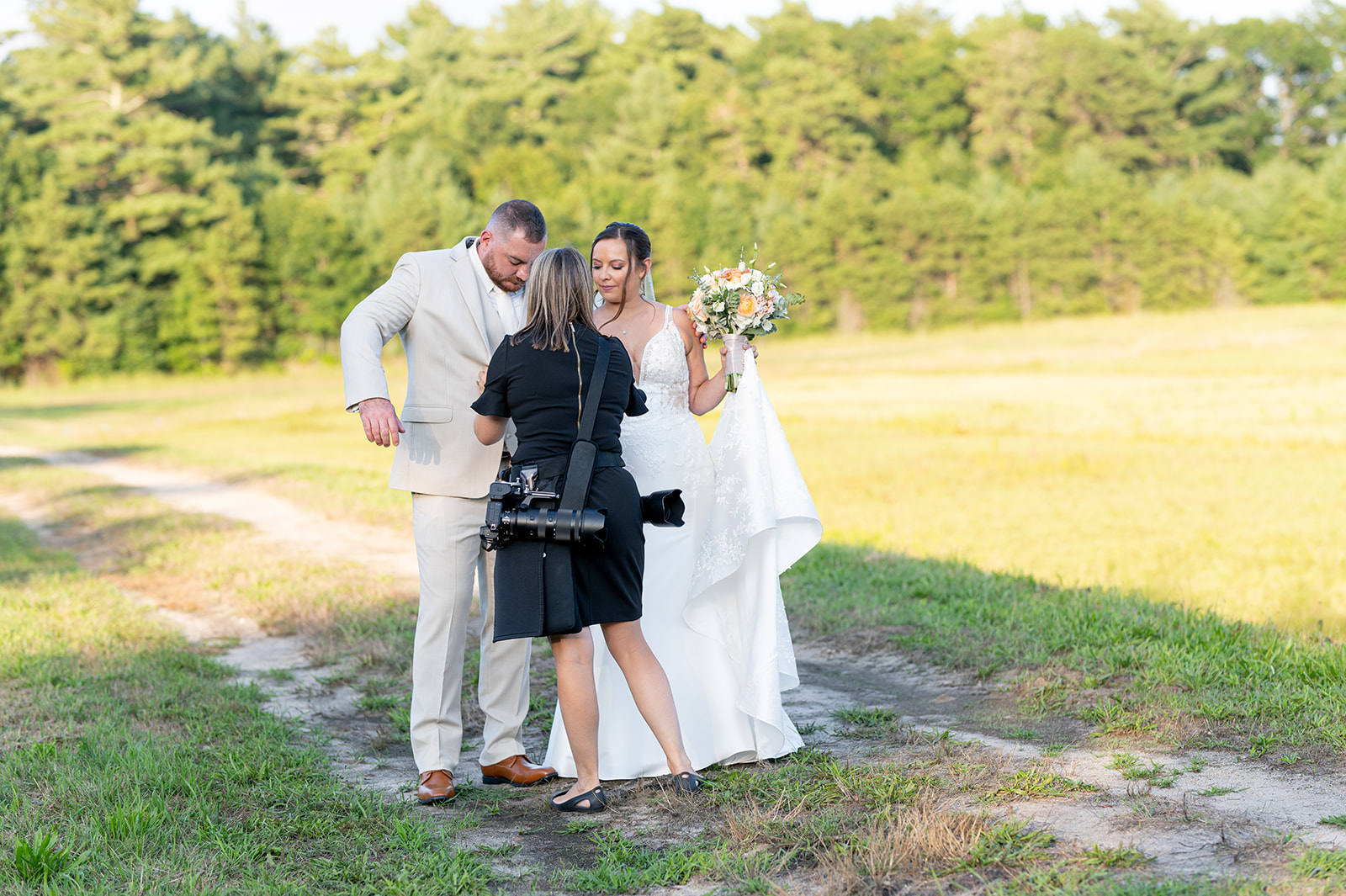
At my first wedding, family photos took much longer than I expected. People kept adding groupings on the spot. I didn’t know when hair and makeup would be finished, and sunset came up faster than I planned for.
Now, I never arrive without a written timeline, a detailed family photo list, a plan for portraits, and buffer time built in. I also make it a priority to meet with my couples beforehand so we are all on the same page. It may sound simple to just show up and capture the day, but in reality, it leads to confusion and missed moments.
You need to know:
- when hair & makeup will be done
- getting-ready locations
- family dynamics
- must-have photos
- special moments or surprises
A 30–60 minute planning call changes EVERYTHING.
I recommend having this meeting about 3 months before the big day so if anything needs to be adjusted timing-wise, there’s still time to do it. If there isn’t a planner, this responsibility usually falls on YOU as the photographer.
Want to see exactly what I ask my couples? My full wedding timeline questionnaire walks you through everything I cover before the day.
2. Think About the Sun + Build Buffer Time
No one told me how quickly good light fades.
When you plan your timeline, keep sunset in mind. Look at when the ceremony ends, where the sun will be during formal photos, how long family photos will really take, and how much travel time you need between locations. If lighting might be an issue, talk to your clients ahead of time so you can adjust the plan together.
It’s also important to remember that almost everything takes longer than expected. Family photos run over, getting ready takes extra time, travel can be delayed, dresses need to be bustled, and people go missing right when you need them. A timeline without buffer time creates stress for everyone!
3. Go In With CONFIDENCE (Your Clients Need You To Lead)
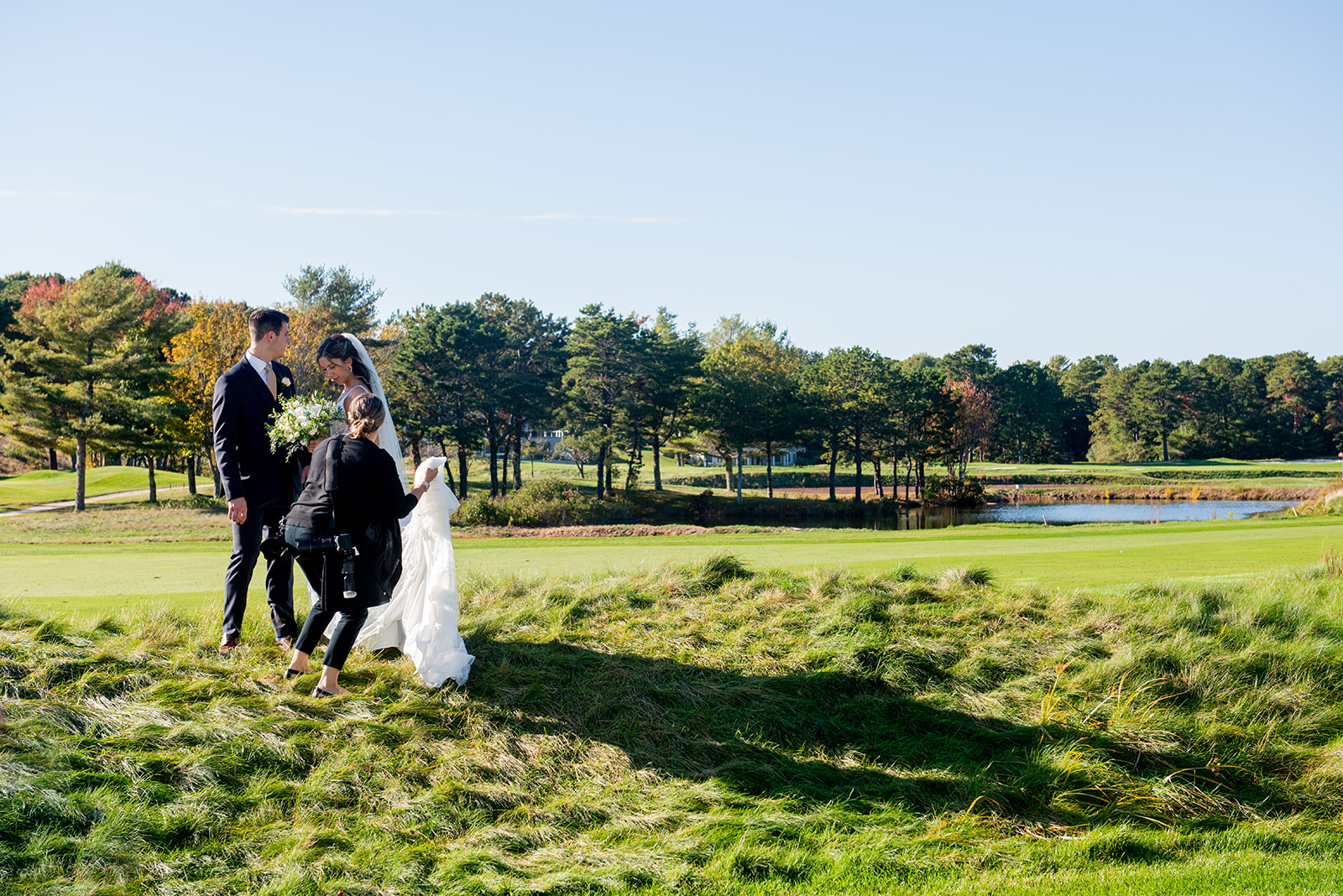
Your clients are looking to you as the expert, and they want you to guide them. It’s okay to step in when needed. Move them into better light, suggest a different location, or say kindly, “That spot won’t photograph well. Let me show you somewhere better.”
Clear direction helps the day run smoother and gives your clients confidence in you. And then there’s Uncle Bob. At almost every wedding, someone will mention they’re a photographer and start talking about cameras. Don’t let that shake you. There’s a reason they’re not the one hired for the day. Most of the time, they just want to chat. It has nothing to do with your skill. Trust yourself. You’ve got this.
When you show up with confidence, your couples feel it, and it changes how they experience the entire day.
4. Have a Simple Reception Lighting Plan
Don’t walk into a reception guessing. A little prep ahead of time makes a big difference and helps you feel more in control when you arrive.
Before the day, take a few minutes to learn about the space:
- Google the reception venue
- Is the room bright or dark?
- Are the ceilings high, low, or mixed?
- Is there colored uplighting?
- Are the ceilings white or dark?
Knowing these details helps you decide how you’ll shoot the space, what lighting setup you’ll use, and what gear to bring. With experience, you’ll walk into a room and know what to do right away. But when you’re starting out, planning ahead builds confidence and keeps you from scrambling.
5. Your Gear Is Part of the Plan
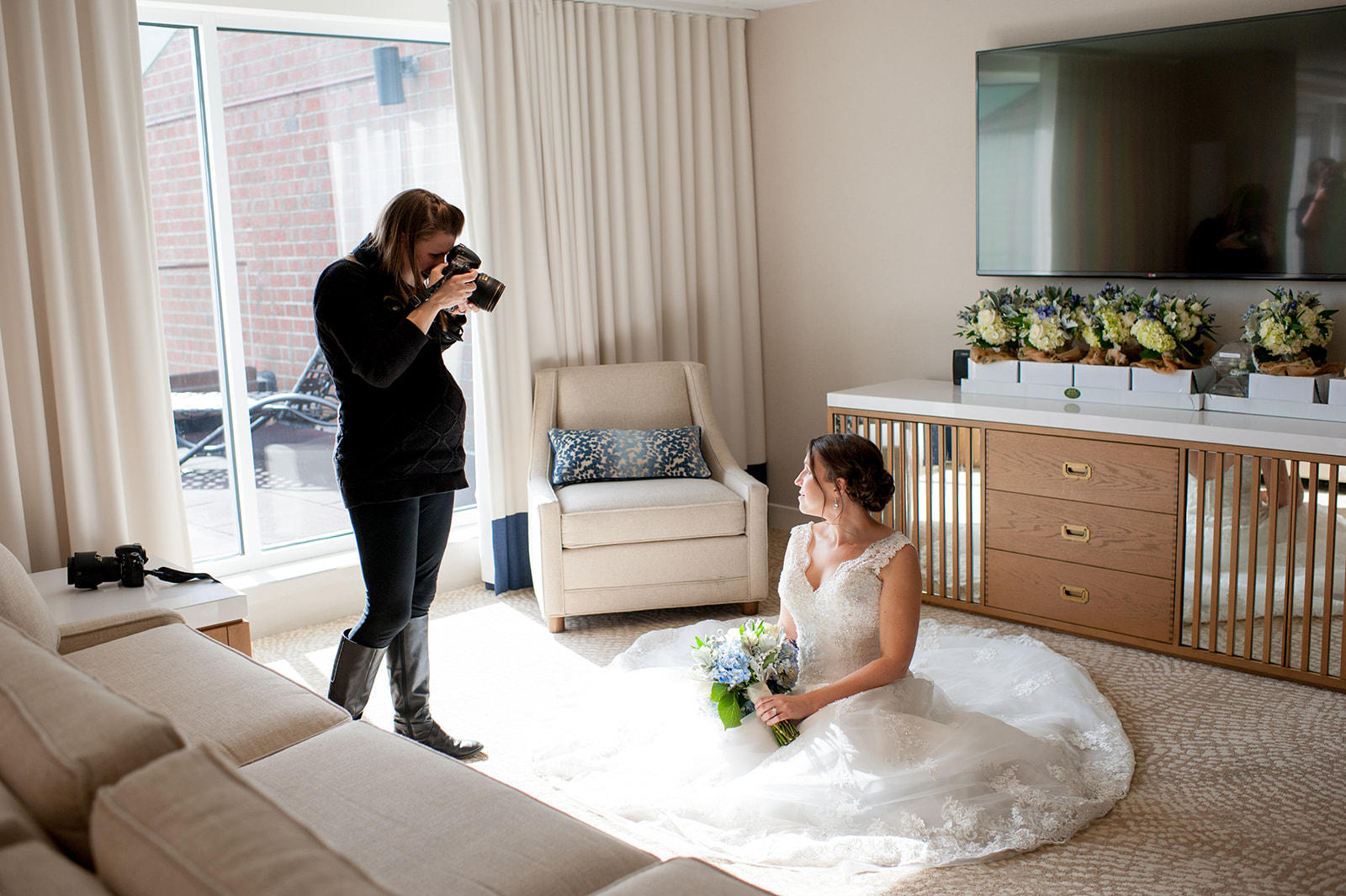
Your creativity matters, but reliability matters more. At a wedding, your gear is not something you can wing. Dual memory cards, backups, and the right lenses are really important. Here’s how I like to break it down so nothing gets missed:
Before You Arrive
- Timeline printed and saved on your phone
- Family photo list
- Contract signed
- Sunset time checked
- Formal photo location and reception lighting plan
Gear Essentials
- Camera
- Backup camera body
- Dual memory card recording turned on
- Wide lens and telephoto lens (plus a macro if you have one)
- Flashes and batteries
- Flash stands and off-camera triggers if you use them
- Memory cards with enough space
- Extra memory cards and batteries
- Lens cloths
- Chargers
- Comfortable, professional outfit (black works well)
- Comfortable shoes
- Printed timeline and photo list
Day-Of Musts
- Arrive early
- Introduce yourself to the planner and DJ. They will help you all day
- Check in on timing often
- Keep snacks and water for yourself
Lighting Plan
Have a plan for how you’ll handle:
- Dark receptions
- Colored uplighting
- On-camera vs off-camera flash
Don’t rely on figuring it out in the moment. A plan going in will save you stress and help you stay focused on capturing the day.

The Big Truth
FAQ
What should I bring to my first wedding as a photographer?
At minimum: two cameras, dual memory cards recording, a wide and telephoto lens, flashes, batteries, a timeline, and a family photo list.
Do I really need dual memory cards?
YES. Weddings are unrepeatable. Dual cards create instant backups the moment you press the shutter.
How early should I arrive?
At least 20–30 minutes before your contracted start time to scout and prep.
I personally like to show up about 60 minutes early — yes, most of my photo friends think I’m crazy, but it gives me time to breathe, walk the space, and start detail photos. My clients seem to love it too.
Do I need a lighting plan for the reception?
Absolutely. Ask about ceiling height, uplighting, and DJ lights before the day so you aren’t guessing.
What’s the biggest mistake new wedding photographers make?
Going in without a timeline and photo list. That alone can create chaos.